

If you’ve followed me for a while, you know I’m a food-first dietitian. But if you’ve ever wondered what supplements I take as a dietitian and why, you’re in the right place.
I believe the foundation of good nutrition starts with eating balanced meals, prioritizing protein and fiber, including fruits and vegetables, and building sustainable habits that you can stick with long term.
That said, even with a well-rounded diet, there are times when supplements can be helpful. I personally use supplements to help fill potential nutrient gaps, support specific health goals, and complement my overall nutrition and lifestyle habits.
One thing I always tell people is that supplements are exactly that – a supplement to a healthy lifestyle, not a replacement for one. The supplements I take are based on my own goals, preferences, lifestyle, and health needs, and they may not be appropriate or necessary for everyone.
In this post, I’m sharing my current daily supplement routine, why I take each supplement, when I take it, and what the research says about the potential benefits. I’ll also share a few practical tips that help me stay consistent because, in my experience, consistency matters far more than having the “perfect” supplement schedule.
As with anything related to nutrition and supplements, it’s always a good idea to discuss your individual needs with your healthcare provider before starting something new.
Looking for a specific supplement? Use the table of contents below to jump to any section.

- My Daily Supplement Routine at a Glance
- Why I Drink Coffee Before Taking Supplements
- How I Choose High-Quality Supplements
- Daily Multivitamin
- Timeline Longevity Gummies
- Vitamin D3 + K2
- Omega-3 Fish Oil
- Creatine
- HUM GLP-1 Booster
- Magnesium Glycinate
- Iron + Vitamin C
- Shop My Supplement Routine
- Frequently Asked Questions
- Final Thoughts: My Supplement Routine Has Changed Over Time
A Quick Note Before We Dive In
Before sharing my supplement routine, I want to point out that supplement needs are highly individual.
The supplements I take are based on my own health history, lifestyle, dietary intake, goals, and, in some cases, lab work. For example, both iron and vitamin D are supplements I personally take because of my own history of low levels. These are two nutrient deficiencies that are relatively common, particularly among women, which is why I’ve included the specific products and doses I personally use.
That said, I don’t recommend starting iron, vitamin D, or any supplement simply because someone else is taking it.
If you’re concerned about your iron or vitamin D levels, I encourage you to speak with your healthcare provider about appropriate testing and whether supplementation makes sense for your individual needs.
This post is intended to share my personal supplement routine and the products I currently use & not to provide individualized medical advice. As always, what works for me may not be necessary or appropriate for someone else.
Okay, let’s dive in!
My Daily Supplement Routine at a Glance
| Time | Supplements |
|---|---|
| Morning Coffee | Coffee only |
| Breakfast | Multivitamin, Timeline Longevity Gummies, Vitamin D3 + K2, Omega-3, Creatine, Kion Aminos |
| Midday (Optional) | HUM GLP-1 Booster |
| Two Hours Before Bed | Magnesium Glycinate |
| Bedtime | Iron + Vitamin C |
This is the supplement routine that currently works best for me. While timing can matter for certain supplements, I’ve learned that consistency matters most. Rather than trying to follow a complicated schedule, I’ve built my routine around habits I already have, like drinking coffee in the morning, eating breakfast, and winding down before bed. Creating a routine that’s easy to stick with has helped me stay much more consistent over the years.
Why I Drink Coffee Before Taking Supplements
One of the questions I get asked most often is whether I take my supplements first thing in the morning.
The answer is no.
I start my day with coffee and genuinely look forward to it every morning. While you’ve probably heard recommendations to wait until after breakfast before having coffee, it’s one of those habits that makes me happy and I look forward to, and honestly, I’m not willing to give it up.
Over time, I’ve learned that if taking supplements starts to interfere with my coffee routine, I’m actually less likely to stay consistent with them. And when it comes to supplements, consistency matters far more than having the perfect schedule.
So rather than forcing myself to take everything immediately upon waking, I enjoy my coffee first and take most of my supplements later with breakfast.
For me, this approach is realistic, sustainable, and easy to stick with long term. Many of the supplements I take are best absorbed with food anyway, so taking them with breakfast works well. The bigger lesson is that your supplement routine should fit your lifestyle. The “best” supplement schedule is often the one you’ll actually follow consistently.
I do make one exception when it comes to iron. Coffee can interfere with iron absorption, which is one reason I take my iron supplement separately at bedtime alongside vitamin C rather than with my morning supplements.
How I Choose High-Quality Supplements
One thing I always tell people is that not all supplements are created equal.
The supplement industry can feel overwhelming. Walk into any store or search online, and you’ll find dozens of brands making similar claims. It can be difficult to know which products are worth your money and which ones aren’t.
When I’m choosing supplements for myself and my family, I look for a few key things.
Third-Party Testing
One of the first things I look for is third-party testing.
Third-party testing means an independent organization verifies that the product contains what the label says it contains and meets certain quality standards.
Some common third-party testing organizations include:
- NSF
- USP
- Informed Choice
- Informed Sport
While third-party testing isn’t the only factor I consider, it can provide an extra layer of confidence.
Reputable Brands
I prefer purchasing supplements from companies that have a strong reputation for quality, transparency, and have the Good Manufacturing Practices logo “GMP.”
I want to know that the company invests in ingredient sourcing, quality control, and testing throughout the manufacturing process.
Transparency
I appreciate brands that clearly disclose:
- Ingredient amounts
- Supplement facts panels
- Testing practices
- Manufacturing standards
If a company is unwilling to explain what’s in its products or how they’re made, that’s usually a red flag for me.
Research-Backed Ingredients
I’m less interested in flashy marketing claims and more interested in whether an ingredient has actual research behind it.
Before adding a supplement to my routine, I like to look at the evidence and ask whether it aligns with my goals and health needs.
Remember: More Isn’t Always Better
One of the biggest misconceptions I see is the idea that taking more supplements automatically means you’re healthier.
In reality, a well-balanced diet, regular movement, quality sleep, and stress management will always have a bigger impact on your health than a cabinet full of supplements.
I think of supplements as tools that can help support a healthy lifestyle, not to replace one.
Dietitian Tip: If you’re considering a new supplement, start by asking what problem you’re trying to solve. The goal isn’t to take more supplements. You need to identify whether a supplement is actually necessary for your individual needs.
Daily Multivitamin
Why I Take It
While I always prioritize getting nutrients from food first, I view a daily multivitamin as nutritional insurance. Even with a balanced diet, there are days when meals aren’t perfect, life gets busy, or certain nutrients may fall short. A multivitamin helps fill potential gaps and provides added peace of mind that I’m supporting my overall nutrient intake.
As a dietitian, I don’t believe a multivitamin can replace healthy eating habits, but I do think it can be a helpful addition for many people, especially during busy seasons of life.
This is the one I currently use in my routine.
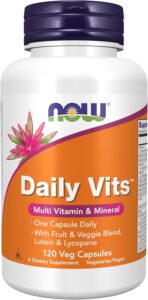
This is the multivitamin I currently use as part of my daily supplement routine.
Potential Benefits of a Daily Multivitamin
A quality multivitamin can help support:
- Overall nutrient intake
- Energy metabolism
- Immune function
- Bone health
- Healthy aging
- General wellness
The exact benefits will vary depending on the ingredients and nutrient levels in the product you choose.
When I Take It
I take my multivitamin with breakfast alongside several of my other morning supplements.
Many vitamins, including vitamins A, D, E, and K, are fat-soluble, meaning they are absorbed best when consumed with a meal that contains some fat. Taking my multivitamin with breakfast also makes it easier for me to remember consistently.
Who May Benefit From a Multivitamin?
While not everyone needs a multivitamin, some people may benefit from one, including:
- Individuals with dietary restrictions
- People who skip meals frequently
- Adults with increased nutrient needs
- Older adults
- Those with limited food variety in their diet
- Busy parents and professionals looking to help fill potential nutrient gaps
How Long Does It Take to Notice Results?
Many people don’t “feel” immediate changes from taking a multivitamin. Because multivitamins are designed to support overall health rather than provide an instant effect, benefits often occur gradually over time.
The goal isn’t necessarily to notice a dramatic difference overnight, but rather to consistently support your nutrient intake and overall health.
Related Posts
While supplements can help fill nutritional gaps, I always focus on building meals around nutrient-dense foods first. Some of my favorite resources include:
- High Protein Breakfast Burritos
- Sunday Meal Prep: 6/14/26
- What I Eat in a Day as a Dietitian Mom | Easy High-Protein Summer Meals
- Healthy Lemon Raspberry Muffins with Greek Yogurt
Timeline Longevity Gummies
Why I Take Them
One of the supplements I take daily is Timeline Longevity Gummies, which contain Urolithin A, a compound that has been studied for its potential role in supporting mitochondrial health.
Mitochondria are often referred to as the “powerhouses” of our cells because they help produce the energy our bodies need to function. As we age, mitochondrial function naturally declines, which is one reason researchers have become increasingly interested in strategies that may help support healthy aging at the cellular level.
As someone who is focused on maintaining my health, energy, and strength as I get older, this is one of the reasons I choose to include Timeline in my routine.
This is the longevity supplement I currently use in my routine.
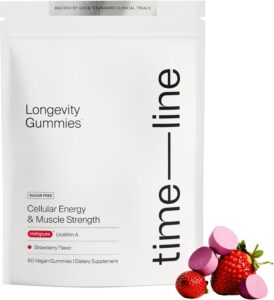
I’ve included Timeline in my routine because I’m interested in supporting healthy aging and mitochondrial health as part of my long-term wellness goals.
Potential Benefits of Urolithin A
Research suggests Urolithin A may help support:
- Healthy aging
- Cellular energy production
- Mitochondrial function
- Muscle health
- Endurance and physical performance
- Healthy aging-related muscle maintenance
While research in this area is ongoing, mitochondrial health is an exciting area of longevity science and one I’m personally interested in following.
When I Take It
I take my Timeline gummies with breakfast alongside my other morning supplements.
I’ve found that pairing my supplements with breakfast helps me stay consistent and makes it easy to remember to take them every day.
Who May Benefit From Urolithin A?
Urolithin A may be of interest to adults who are focused on:
- Healthy aging
- Supporting muscle health as they age
- Maintaining strength and mobility
- Cellular health and longevity
- Overall wellness and vitality
As always, individual needs vary, and what works for one person may not be necessary for another.
How Long Does It Take to Notice Results?
Like many supplements that support long-term health goals, Urolithin A is not designed to produce immediate results.
In studies evaluating muscle and mitochondrial health, benefits were generally observed after consistent daily use over several weeks to months. For that reason, I view this as a long-term investment in healthy aging rather than a supplement that provides an immediate effect.
Related Posts
Nutrition, movement, sleep, and strength training all play important roles in healthy aging. Some of my favorite resources include:
- Anti-Aging Diet Plan: Foods to Eat for Your Best Skin
- 7 Healthy Morning Habits to Start Your Day
- Habit Stacking For Moms
- How To Stay Healthy While Working From Home
Vitamin D3 + K2
Why I Take It
Vitamin D is one of the most common nutrient deficiencies worldwide, and many adults struggle to maintain optimal levels through food and sunlight alone. Because I live in Michigan and spend much of the year with limited sun exposure, vitamin D is a supplement I choose to include in my daily routine.
I pair vitamin D3 with vitamin K2 because these nutrients work together to support bone health. While vitamin D helps the body absorb calcium, vitamin K2 helps direct calcium to where it’s needed most, such as bones and teeth.
This is the vitamin D3 + K2 supplement I currently use in my routine.
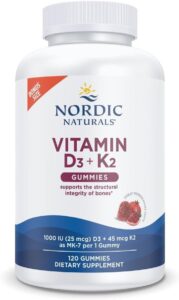
Living in Michigan means there are plenty of months where sunshine can be hard to come by. Vitamin D is one of the supplements I prioritize as part of my daily routine, and I choose one that pairs vitamin D3 with K2.
Potential Benefits of Vitamin D3 + K2
Vitamin D3 and K2 may help support:
- Bone health
- Immune function
- Muscle function
- Calcium absorption
- Healthy aging
- Overall wellness
Maintaining adequate vitamin D levels is important for many aspects of health, which is why it’s one of the supplements I consistently prioritize.
When I Take It
I take vitamin D3 + K2 with breakfast alongside my other morning supplements.
Vitamin D is a fat-soluble vitamin, meaning it is best absorbed when consumed with a meal that contains some fat. Taking it with breakfast makes it easy to remember and helps support absorption.
Who May Benefit From Vitamin D3 + K2?
Vitamin D supplementation may be beneficial for:
- Adults with low vitamin D levels
- Individuals who live in northern climates
- People who spend limited time outdoors
- Older adults
- Those looking to support bone health
The best way to know whether you need vitamin D supplementation is through lab testing and a conversation with your healthcare provider.
How Long Does It Take to Notice Results?
Vitamin D works behind the scenes and is not something most people feel immediately after taking.
For individuals who are deficient, it may take several weeks or even months of consistent supplementation to improve vitamin D levels. That’s why I focus on taking it regularly rather than looking for an immediate effect.
Dietitian Tip: The only way to know your vitamin D status is through a blood test. If you’re concerned about your levels, talk with your healthcare provider about whether testing makes sense for you.
Omega-3 Fish Oil
Why I Take It
Omega-3 fatty acids are one of the most researched nutrients when it comes to overall health, which is why I choose to include an omega-3 supplement in my daily routine.
While omega-3s can be found in foods like fatty fish, many people don’t eat fish regularly enough to meet recommended intake levels. An omega-3 supplement can be a convenient way to help support intake, especially during weeks when seafood isn’t showing up on the menu as often.
As a dietitian, I appreciate that omega-3s have been extensively studied for their role in supporting heart, brain, eye, and overall health, which is one reason they remain a consistent part of my routine.
This is the omega-3 supplement I currently use in my routine.

Omega-3s are one of the supplements I prioritize most consistently, not only for heart health, but also for glowing skin and shiny hair. While I always encourage eating fish when possible, I don’t always eat enough seafood every week to rely on food alone, which is one reason I choose to supplement.
Dietitian Tip: When choosing an omega-3 supplement, look for one that clearly lists the amounts of EPA and DHA on the label. These are the primary omega-3 fatty acids most often studied for their health benefits.
Potential Benefits of Omega-3 Fish Oil
Omega-3 fatty acids may help support:
- Heart health
- Brain health
- Eye health
- Healthy aging
- Normal inflammatory processes
- Overall wellness
Research on omega-3s continues to evolve, but they remain one of the most widely recommended supplements due to their broad role in supporting health.
When I Take It
I take my omega-3 supplement with breakfast alongside my other morning supplements.
Because omega-3s are fats, taking them with a meal that contains fat may help support absorption. Pairing them with breakfast also helps me stay consistent and avoid forgetting them later in the day.
Who May Benefit From an Omega-3 Supplement?
Omega-3 supplementation may be worth discussing with your healthcare provider if you:
- Rarely eat fatty fish
- Follow a diet low in seafood
- Want to support heart health
- Are focused on healthy aging
- Are looking to increase your omega-3 intake
Individual needs vary, which is why I always recommend considering your overall diet before deciding whether supplementation makes sense for you.
How Long Does It Take to Notice Results?
Omega-3 supplements are generally intended to support long-term health rather than provide immediate results.
Most research evaluating omega-3 status and health outcomes looks at consistent intake over weeks to months. For that reason, I focus on making omega-3 supplementation part of my daily routine rather than expecting an immediate difference.
Related Posts
While supplements can help support nutrient intake, I always encourage prioritizing whole-food sources whenever possible. If you’re wondering which is the best fish to get your omega-3s make sure to read this article next!
Creatine
Why I Take It
If I had to choose one supplement that has gained the most attention in recent years, it would probably be creatine. While creatine has long been associated with athletes and bodybuilders, research has shown that its benefits extend far beyond the gym.
Creatine is a naturally occurring compound found in muscle tissue that helps provide energy to our cells during short bursts of activity. While our bodies make some creatine and we get small amounts from foods like meat and fish, supplementation can help increase creatine stores.
As a dietitian, one of the reasons I take creatine daily is because of its potential benefits for muscle health, strength, recovery, and healthy aging. As women get older, maintaining muscle mass becomes increasingly important for overall health, mobility, and quality of life. Because of this, creatine is one of the supplements I consistently prioritize.
This is the creatine I currently use in my routine.
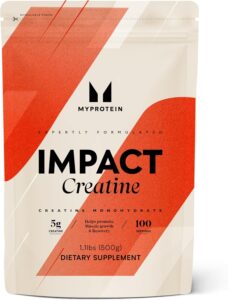
Creatine is one of the supplements I prioritize most consistently. While it’s often associated with athletes and bodybuilders, research suggests it may also support brain health, muscle health, recovery and healthy aging.
Dietitian Tip: When shopping for creatine, look for creatine monohydrate. It’s the form that has been studied the most and is what I personally choose to use.
Potential Benefits of Creatine
Research suggests creatine may help support:
- Muscle strength
- Exercise performance
- Recovery from exercise
- Lean muscle maintenance
- Healthy aging
- Brain health and cognitive function
- Cellular energy production
While creatine is often associated with fitness, many experts now view it as a supplement that may benefit a much broader population, including active adults and women interested in supporting long-term health.
When I Take It
I take creatine with breakfast alongside my other morning supplements.
One of the most common questions I receive is whether creatine needs to be taken before or after a workout. The good news is that consistency matters far more than timing. Rather than worrying about taking it at a specific time, I focus on taking it daily.
I typically mix my creatine into water alongside Kion Aminos, which makes it easy to incorporate into my morning routine.
A Quick Note About Kion Aminos
I often get questions about the Kion Aminos I mix with my creatine.
Essential amino acids are the building blocks of protein and play a role in muscle protein synthesis. While amino acid supplements can be a convenient option, I personally view them as an addition to a protein-rich diet rather than a replacement for one.
For most people, I recommend focusing on meeting their protein needs through food first. The Kion Aminos are simply something I enjoy adding to my routine and find easy to incorporate into my morning water. Plus it helps the creatine go down easier.
Who May Benefit From Creatine?
Creatine supplementation may be worth discussing with your healthcare provider if you:
- Participate in strength training or exercise regularly
- Want to support muscle health and recovery
- Are focused on healthy aging
- Want to support exercise performance
- Are looking to maintain muscle mass as you age
- Want to support cognitive function and brain health
- Are interested in supporting cellular energy production
- Are navigating perimenopause or menopause and looking to support healthy aging and muscle maintenance
- Follow a vegetarian or vegan diet, as dietary creatine intake may be lower
Interest in creatine among women has grown significantly in recent years as research continues to explore its potential benefits beyond athletic performance. While more research is ongoing, creatine is increasingly being discussed for its role in supporting healthy aging, muscle health, cognitive function, and overall wellness.
How Long Does It Take to Notice Results?
Creatine is not typically something you notice after a single serving.
Many studies show that muscle creatine stores increase over several weeks of consistent use. Some people may notice improvements in exercise performance, strength, or recovery within a few weeks, while other benefits are more gradual and occur over time.
Like many supplements, consistency is key. I think of creatine as a long-term investment in my health rather than something that produces an immediate effect.
Related Posts
Supplements can support your goals, but they work best alongside adequate protein intake and regular movement. Some of my favorite resources include:
- Creatine for Women: A Complete, Science-Backed Guide to Benefits, Safety, and Dosage
- Creatine for Beginners: A Woman’s Guide to Getting Started
- Best Creatine for Weight Loss 2025 and Health Benefits
HUM GLP-1 Booster
Why I Take It
One of the newer additions to my routine is HUM GLP-1 Booster. Unlike many of the other supplements in this post, this isn’t something I take because I’m concerned about a specific nutrient deficiency. Instead, it’s a supplement I enjoy incorporating into my day as part of my overall wellness routine.
It contains a blend of prebiotics, digestive enzymes, and ingredients designed to support digestive health. I also genuinely enjoy the taste, which makes it an easy habit to stick with & I find it a great addition during the summer when you least want to be bloated.
This is the digestive wellness supplement I currently enjoy as part of my routine. Used as needed.
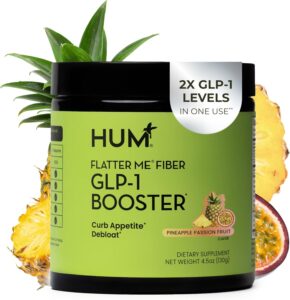
I don’t take this one because I’m trying to “hack” my metabolism. I enjoy it because it tastes great, it’s easy to incorporate into my day, and it contains ingredients that support digestive wellness.
Dietitian Tip: No supplement can replace the benefits of eating enough fiber. I always encourage people to focus on fruits, vegetables, beans, whole grains, nuts, and seeds first, then use supplements as a complement to an already balanced diet.
What’s Inside HUM GLP-1 Booster?
One reason I was interested in trying HUM GLP-1 Booster is because it contains a blend of prebiotics, digestive enzymes, and other ingredients designed to support digestive wellness. While everyone’s experience is different, I appreciate that it fits easily into my day and complements my overall nutrition habits.
Potential Benefits
The ingredients in HUM GLP-1 Booster may help support:
- Digestive health
- Gut health
- Prebiotic intake
- Digestive comfort
- Overall wellness habits
As with many supplements, individual experiences may vary, and supplements work best when paired with a balanced diet rich in fiber, fruits, vegetables, and other nutrient-dense foods.
When I Take It
I typically enjoy this as a midday drink.
I don’t take it every single day, but it’s a supplement I reach for when I want something refreshing during the afternoon and I’m looking for a simple way to support my digestive wellness routine.
Who May Benefit?
This type of supplement may be of interest to adults looking to support digestive health or increase their intake of prebiotic ingredients.
However, it’s important to remember that supplements are only one piece of the puzzle. Consistently eating fiber-rich foods, staying hydrated, and maintaining overall healthy habits remain the foundation of digestive health.
How Long Does It Take to Notice Results?
Digestive supplements can vary widely depending on the individual and the ingredients used. Some people notice digestive benefits relatively quickly, while others may require several weeks of consistent use.
Related Posts
Because gut health starts with your overall diet, here are some of my favorite fiber-rich recipes:
- High Protein High Fiber Smoothie
- Blueberry Chia Pudding
- Lebanese Mujadara Recipe (Authentic Lentils and Bulgur)
- The Benefits Of Chia Seeds & Women’s Health
Magnesium Glycinate
Why I Take It
Magnesium is one of the supplements I’ve consistently taken for years. Magnesium plays a role in hundreds of processes throughout the body, including muscle function, nerve function, energy production, and sleep regulation. Personally, I’ve found that I feel best when I’m consistent with my magnesium routine.
I personally take magnesium glycinate about two hours before bed as part of my evening routine. It’s one of the ways I help signal to my body that it’s time to start winding down for the night.
A Quick Note About the Different Types of Magnesium
One thing that can be confusing when shopping for magnesium supplements is that there are several different forms available, each with slightly different uses.
Magnesium Glycinate
This is the form I personally take. Magnesium glycinate is often chosen by people looking to support relaxation, sleep, and overall magnesium intake. It’s generally well tolerated and less likely to cause digestive discomfort compared to some other forms.
Magnesium Citrate
Magnesium citrate is commonly used to support bowel regularity and may have a stronger effect on digestion. Because of this, some people choose it specifically for occasional constipation.
Magnesium Threonate
Magnesium threonate is unique because it has been studied for its potential role in supporting cognitive function and brain health. Some people choose this form when their primary goal is cognitive support.
Magnesium Malate
Magnesium malate is commonly discussed in relation to energy production and muscle function. Some people prefer taking this form earlier in the day.
Magnesium Oxide
Magnesium oxide is often found in many over-the-counter supplements and may be used for digestive support, but it tends to be less well absorbed than some of the other forms.
The “best” form of magnesium depends on your goals and individual needs. For me, magnesium glycinate fits best with my evening routine and overall wellness goals.
This is the magnesium glycinate supplement I currently use in my routine.
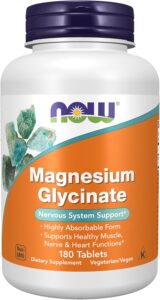
I take it about two hours before bed as part of my evening routine because it’s easy to remember and fits naturally into my day.
Potential Benefits of Magnesium Glycinate
Magnesium is involved in hundreds of biochemical processes throughout the body, making it an important mineral for overall health.
Magnesium glycinate may help support:
- Relaxation
- Sleep quality
- Muscle function
- Nerve function
- Energy production
- Healthy blood sugar regulation
- Bone health
While magnesium is not a magic solution for sleep or stress, ensuring adequate magnesium intake is an important part of supporting overall health and wellness.
When I Take It
I take magnesium glycinate about two hours before bedtime.
Over time, this has become part of my evening routine and serves as a reminder to start winding down for the night. While magnesium can technically be taken at other times of the day, I personally prefer taking it in the evening because it aligns with my goals and is easiest for me to remember consistently.
Who May Benefit From Magnesium Glycinate?
Magnesium glycinate may be worth discussing with your healthcare provider if you:
- Are looking to support relaxation and sleep
- Have low dietary magnesium intake
- Want to support muscle and nerve function
- Are focused on overall wellness
- Are looking for a well-tolerated form of magnesium
As with any supplement, individual needs vary, and the best choice depends on your personal health history, diet, and goals.
How Long Does It Take to Notice Results?
This is one of the most common questions I receive about magnesium.
The answer depends on the individual and what they’re hoping to achieve. Some people notice changes in relaxation or sleep quality within a few days, while others may require several weeks of consistent supplementation.
Like many wellness habits, magnesium tends to work best when taken consistently over time rather than occasionally.
Related Posts
While supplements can be helpful, I believe healthy habits play an equally important role in supporting sleep and overall wellness. Some resources you may enjoy include:
I also prioritize regular movement, adequate protein intake, hydration, and a consistent bedtime routine alongside my supplement routine.
Iron + Vitamin C
Why I Take It
The final supplements in my daily routine are iron and vitamin C.
If you’ve read my content for a while, you know I’m a big believer in keeping things practical. Over the years, I’ve learned that the “perfect” supplement routine isn’t nearly as important as creating a routine you can actually stick with.
For me, that means saving my iron supplement for bedtime.
One reason is that I genuinely enjoy having coffee first thing in the morning. I’ve never been someone who wants to wake up and immediately have breakfast and start taking supplements before I’ve had my coffee. While that approach works well for some people, it doesn’t work well for me.
Because coffee can interfere with iron absorption, I simply take my iron later in the day instead of trying to force it into my morning routine. This allows me to enjoy my coffee without worrying about it affecting my iron supplement.
I also pair my iron supplement with vitamin C because vitamin C can help support iron absorption. Since I already have a bedtime routine in place, taking these supplements before bed has become an easy habit that I rarely forget since I habit stack.
These are the iron and vitamin C supplements I currently take together at bedtime.
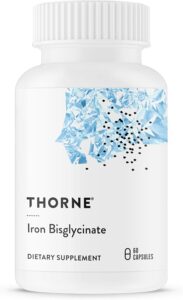
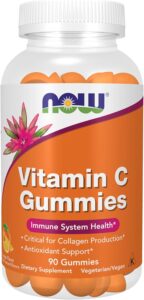
I pair my iron supplement with vitamin C because vitamin C can help support iron absorption. Taking them together at bedtime works best for my routine and helps keep my iron separate from my morning coffee.
Why I Chose Iron Bisglycinate
If you’ve ever shopped for an iron supplement, you’ve probably noticed there are several different forms available.
The form I currently take is iron bisglycinate. One reason I chose it is because it is generally considered to be well absorbed and tends to be gentler on the digestive system compared to some other forms of iron.
Many people experience side effects such as constipation, nausea, stomach discomfort, or digestive upset when taking iron supplements. While individual experiences vary, iron bisglycinate is often recommended because it may be easier to tolerate.
Since iron supplementation is something I take consistently, choosing a form that agrees with my stomach was important to me. As always, the best form of iron depends on your individual needs, lab values, and what your healthcare provider recommends.
Dietitian Tip: Don’t Supplement With Iron Unless You Need It
Unlike some supplements that may simply help fill potential nutrient gaps, iron is one that should be personalized.
I don’t recommend taking an iron supplement simply because someone online is taking one. Iron needs vary from person to person, and taking iron when you don’t need it may do more harm than good.
If you’re experiencing symptoms such as fatigue, low energy, shortness of breath, or suspect your iron levels may be low, talk with your healthcare provider about appropriate testing.
Some common labs that can help assess iron status include:
- Ferritin
- Hemoglobin
- Iron Panel (Iron, TIBC, and Transferrin Saturation)
These labs can provide a much clearer picture of your iron status and help determine whether supplementation is appropriate.
Before starting an iron supplement, I recommend understanding your individual needs rather than guessing.
Potential Benefits of Iron
Iron is an essential mineral that helps the body produce hemoglobin, a protein in red blood cells that carries oxygen throughout the body.
Adequate iron intake supports:
- Oxygen transport throughout the body
- Red blood cell production
- Energy metabolism
- Overall health and wellness
Vitamin C is often paired with iron because it can help improve the absorption of certain forms of iron.
When I Take It
I take my iron supplement and vitamin C at bedtime.
This timing works well for me because it separates my iron supplement from coffee and allows me to take it consistently as part of my evening routine.
Who May Benefit From Iron Supplementation?
Iron supplementation is not something I recommend universally.
Unlike some supplements that may simply help fill nutritional gaps, iron should ideally be based on your individual needs, symptoms, dietary intake, and lab work.
Women with heavy menstrual cycles, individuals with low iron levels, and people who have been advised by their healthcare provider to take iron may benefit from supplementation.
If you’re concerned about your iron status, I always recommend discussing testing and supplementation with your healthcare provider rather than starting iron blindly.
How Long Does It Take to Notice Results?
This depends on the individual and the reason for supplementation.
Iron stores typically take time to rebuild, which means noticeable changes may take weeks to months of consistent supplementation.
Because of this, I think of iron as another long-term health habit rather than something that produces immediate results.
Related Posts
While supplements can help support nutrient intake, I always encourage focusing on nutrient-rich foods first whenever possible. Some of my favorite recipes include:
- Lebanese Mujadara Recipe (Authentic Lentils and Bulgur)
- High Protein Breakfast Burritos
- What I Eat in a Day as a Dietitian Mom | Easy High-Protein Summer Meals
- What I Eat in a Day as a Dietitian (High Protein, Family-Friendly Meals)
Shop My Supplement Routine
If you’re curious about the exact supplements I currently use, I’ve linked them all below. Remember, this is simply my personal routine based on my own goals, lifestyle, and health needs. Before starting any new supplement, it’s always a good idea to discuss your individual needs with your healthcare provider.
Morning Supplements
- Daily Multivitamin
- Timeline Longevity Gummies
- Vitamin D3 + K2
- Omega-3 Fish Oil
- Creatine Monohydrate
- Kion Aminos
Midday (As Needed)
Evening Supplements
Bedtime Supplements
A Quick Reminder: Supplements are meant to supplement a healthy lifestyle, not replace one. I always recommend focusing on the fundamentals first: balanced meals, adequate protein, fruits and vegetables, regular movement, quality sleep, and stress management
Frequently Asked Questions
Supplements can be helpful when they’re used appropriately and for the right reasons. Some supplements are intended to help fill nutrient gaps, while others may support specific health goals. However, supplements aren’t magic, and they can’t replace the benefits of a balanced diet, regular movement, adequate sleep, and other healthy habits. I always encourage people to focus on building a strong foundation first. Supplements should supplement a healthy lifestyle—not replace one.
The best time to take supplements is often the time you’ll remember to take them consistently.
That said, some supplements do have specific timing considerations. For example, I take my vitamin D, omega-3, and multivitamin with breakfast because they’re best taken with food. I take magnesium glycinate in the evening as part of my bedtime routine, and I take iron separately from coffee to support absorption.
Rather than trying to create the “perfect” supplement schedule, I recommend creating one that fits naturally into your day.
It depends on the supplement.
Personally, I enjoy my coffee first thing in the morning and take most of my supplements later with breakfast.
One exception is iron. Coffee can interfere with iron absorption, which is why I take my iron supplement at bedtime instead of in the morning.
If you’re taking medications or specific supplements with unique requirements, it’s always a good idea to review timing recommendations with your healthcare provider.
This varies depending on the supplement and your individual needs.
Some supplements may produce noticeable effects within days or weeks, while others work behind the scenes to support long-term health and may take several weeks or months of consistent use before changes are noticed.
In general, I encourage people to think of supplements as part of a long-term wellness routine rather than expecting immediate results.
No.
One of the biggest takeaways I hope readers get from this post is that supplement routines should be personalized.
The supplements I take are based on my individual goals, lifestyle, dietary intake, and health needs. What works well for me may not be necessary or appropriate for someone else.
Rather than trying to copy someone else’s supplement routine exactly, I recommend focusing on your own health goals and discussing any questions with your healthcare provider.
My current supplement routine includes: daily multivitamin, Timeline Longevity Gummies, Vitamin D3 + K2, Omega-3 Fish Oil, Creatine, Magnesium Glycinate, Iron and Vitamin C. I also occasionally enjoy HUM GLP-1 Booster as part of my wellness routine. Keep in mind that supplement routines can change over time. I adjust mine based on my goals, lifestyle, lab work, and what season of life I’m in.
Final Thoughts: My Supplement Routine Has Changed Over Time
If there’s one thing I’ve learned over the years, it’s that wellness doesn’t have to be all-or-nothing.
My supplement routine has evolved quite a bit over time. There have been seasons when I took more supplements, seasons when I took fewer, and seasons when I forgot them altogether. As my lifestyle, goals, and health priorities have changed, my supplement routine has changed right along with them.
As a dietitian, I still believe that food comes first. Most of the nutrients our bodies need can be found in a balanced diet that includes protein, fruits, vegetables, whole grains, healthy fats, and other nutrient-dense foods. Supplements are simply one tool that can help fill potential gaps and support specific health goals.
I also don’t believe there’s a single “perfect” supplement routine. The best routine is one that’s personalized to your needs, realistic for your lifestyle, and something you can maintain consistently.
For me, that means enjoying my morning coffee, taking most of my supplements with breakfast, winding down with magnesium in the evening, and saving my iron for bedtime. It’s simple, sustainable, and easy for me to stick with.
If you’re considering adding supplements to your routine, start by looking at your overall diet, lifestyle, and health goals. In many cases, small, consistent habits can make a much bigger difference than chasing the latest wellness trend.
And remember: you don’t need a cabinet full of supplements to be healthy. Focus on building a strong foundation first, then use supplements thoughtfully to support your individual needs.
Thanks for following along and letting me share a peek into my current routine. As always, I’ll continue updating this post if my supplement routine changes in the future.